Introduction to Off-Grid (Standalone) Photovoltaic Systems
Introduction to Photovoltaic Systems: Off-grid living, also known as self-sufficient or autonomous living, is a lifestyle that involves disconnecting from the traditional electricity grid and generating your own electricity. This means relying on renewable energy sources such as solar, wind or hydropower to meet your daily energy needs. One of the essentials in off-grid living is a stand-alone PV (photovoltaic) system.
A autonomous photovoltaic system, γνωστό και ως αυτόνομο ηλιακό ηλεκτρικό σύστημα, είναι μια ανεξάρτητη μονάδα παραγωγής ενέργειας που χρησιμοποιεί ηλιακούς συλλέκτες για να μετατρέψει το ηλιακό φως σε χρησιμοποιήσιμη ηλεκτρική ενέργεια. Σε αντίθεση με τα συνδεδεμένα με το δίκτυο συστήματα που είναι συνδεδεμένα στο κύριο ηλεκτρικό δίκτυο και μπορούν να τροφοδοτήσουν την περίσσεια ενέργειας πίσω σε αυτό, τα αυτόνομα φωτοβολταϊκά συστήματα λειτουργούν αποκλειστικά μόνα τους χωρίς εξωτερικές συνδέσεις.
Introduction to Photovoltaic Systems: The main advantage of living off-grid with a standalone PV system is its ability to provide reliable and sustainable energy even in remote locations or areas without access to the main electricity grid. This makes it a popular choice for people living in rural areas or those who wish to have complete control over their energy consumption.
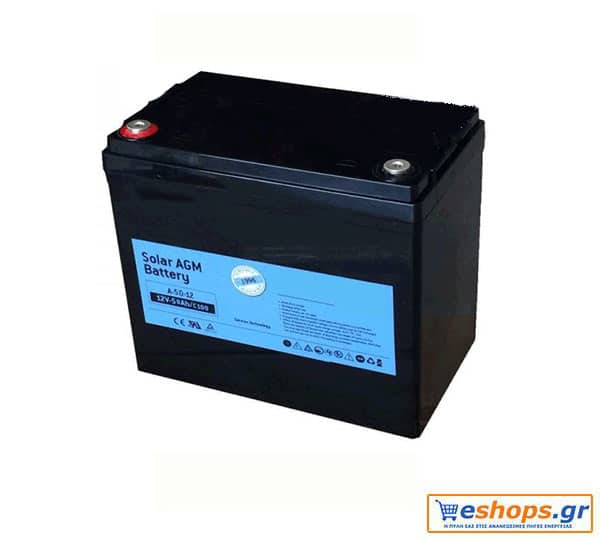
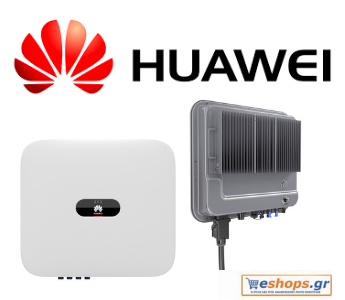
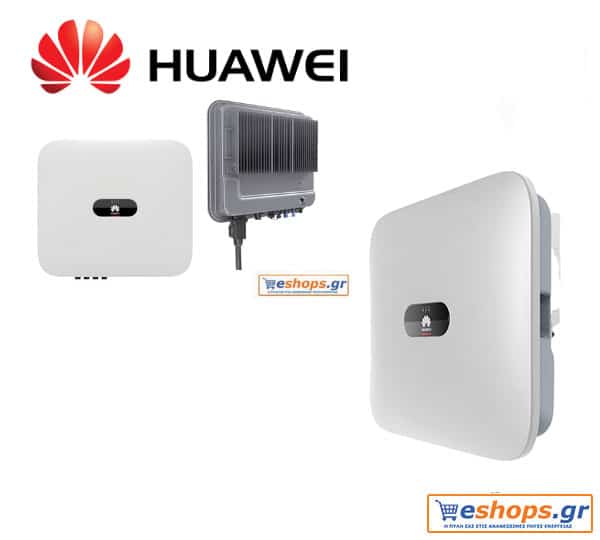
There are four main components of a stand-alone PV system: solar panels, batteries, charge controller and inverter. Solar panels are responsible for capturing sunlight and converting it into direct current (DC). Batteries store this DC electricity for later use when sunlight is not available. The charge controller regulates the flow of electricity between the panels and batteries while preventing overcharging. The inverter then converts the DC electricity stored in the batteries into alternating current (AC) that can be used by household appliances.
When designing a standalone PV system for off-grid living, it's important to consider factors such as location, energy usage patterns, budget, and climate conditions. A professional installer can help determine the proper size and configuration of each component based on these factors.
It should be noted that living off the grid with a standalone PV system requires some sacrifices compared to traditional grid living. This includes being mindful of energy consumption, as well as having to rely on backup generators during extended periods of cloudy weather or high energy demand.
Introduction to Photovoltaic Systems: Living off the grid with a standalone PV system is an environmentally friendly and sustainable way to generate your own electricity. With proper design and installation, it can provide reliable power for all your daily needs. In the following sections, we will delve into the components and installation process of a stand-alone PV system.
To provide the best experience, we use technologies such as cookies to store and/or access device information. Consent to these technologies will allow us to process personal data such as browsing behavior or unique identifiers on this website. Non-consent or withdrawal of consent may adversely affect certain functions and features.
Functional
Always active
The technical storage or access is absolutely necessary for the legal purpose of the possibility of using a specific service that is explicitly requested by the subscriber or the user or for the sole purpose of transmitting communication through an electronic communications network.
Preferences
The technical storage or access is necessary for the legitimate purpose of storing preferences not requested by the subscriber or user.
Tipsters
The technical storage or access used solely for statistical purposes.The technical storage or access used solely for anonymous statistical purposes. Without a summons, voluntary compliance by the Internet Service Provider, or additional third-party logging, the information stored or retrieved for this purpose on its own may not normally be used for your identification.
Marketing
Technical storage or access is required to create user profiles, to send advertisements or to register the user on a website or websites for similar marketing purposes.